78° and Light rain shower
Image
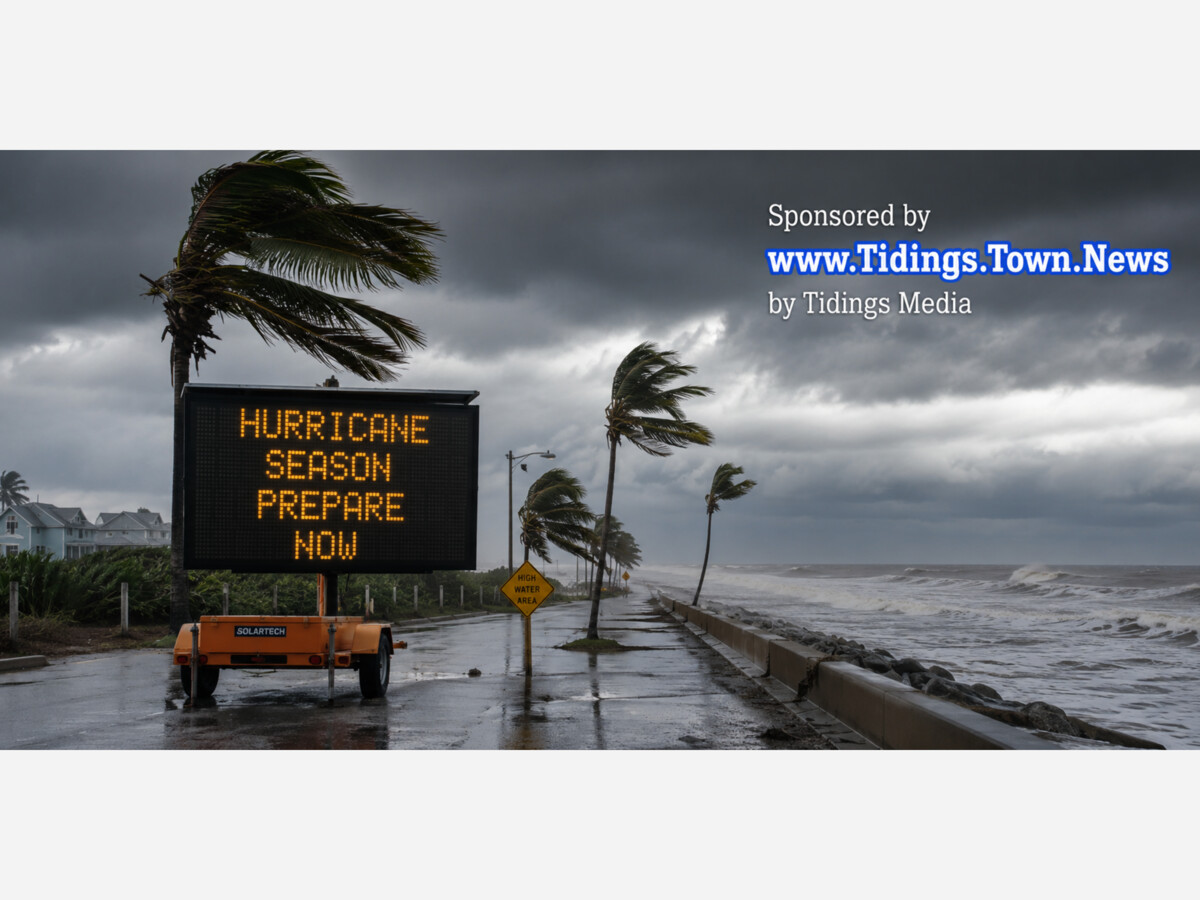



Florida finally got a hurricane forecast that sounds like good news.
NOAA is predicting a below-normal 2026 Atlantic hurricane season, with 8 to 14 named storms, 3 to 6 hurricanes, and 1 to 3 major hurricanes. After years of storm anxiety, insurance chaos, roof claims, flooding, evacuations, and post-hurricane exhaustion, that forecast almost feels like permission to exhale.
Almost.
The problem is that hurricanes do not read seasonal outlooks. Florida does not need an active season to have a bad year. It only takes one storm, in the wrong place, at the wrong angle, over the wrong tide, to turn a quiet forecast into a local disaster.
That is the trap.
A below-normal hurricane forecast is not the same thing as a no-hurricane forecast. It does not mean your roof is ready. It does not mean your evacuation zone stayed the same. It does not mean your insurance deductible is manageable. It does not mean your street will drain, your power will stay on, or your elderly neighbor has a ride if an evacuation order is issued.
It just means forecasters expect fewer storms than average across the entire Atlantic basin.
That distinction matters.
The average Atlantic hurricane season produces 14 named storms, 7 hurricanes, and 3 major hurricanes. NOAA’s 2026 forecast is lower than that, and the early-season explanation is fairly straightforward: El Niño conditions tend to increase wind shear over parts of the Atlantic, which can make it harder for storms to organize.
That is useful science. It is not a shield.
Florida’s hurricane risk is not measured by how many storms form near Africa. It is measured by whether one of them finds the Gulf, the Keys, the Atlantic coast, Tampa Bay, Southwest Florida, the Panhandle, or any of the low-lying neighborhoods Floridians keep rebuilding because this is home and leaving is not simple.
That is why this is the right week to do something more meaningful than buy another case of water and call yourself prepared.
Start with your evacuation zone.
Pinellas County opened hurricane season by reminding residents to know their risk, make a plan, and stay informed. Hillsborough County has also changed evacuation zones for 2026, expanding the number of properties affected. That means the answer you had last year may not be the answer you have this year.
This is where Florida residents get themselves in trouble. They think they know. They remember what happened last time. They assume the county will tell them. They assume the storm will wobble. They assume the forecast will change. They assume the neighbor is staying, so they can stay too.
Assumptions are not a hurricane plan.
The second thing to check is your insurance deductible.
A lot of homeowners know they have insurance. Far fewer know what they would actually have to pay before hurricane coverage begins. In Florida, hurricane deductibles are often offered as $500, 2 percent, 5 percent, or 10 percent of the insured dwelling or structure limit. That percentage is not based on the amount of damage. It is based on the insured value of the home.
That means a homeowner with $400,000 in dwelling coverage and a 5 percent hurricane deductible may be responsible for the first $20,000 before insurance meaningfully helps.
That is not a paperwork detail. That is a financial emergency hiding inside an insurance policy.
The third thing to check is the house itself.
Florida building codes have improved, but homes are not magically storm-ready because they are in Florida. Roof age matters. Garage doors matter. Window protection matters. Tree limbs matter. Drainage matters. So does whether the person who installed, repaired, patched, modified, enclosed, replaced, or “fixed” something did it properly.
The best hurricane preparation is usually boring. It is not a dramatic last-minute grocery run. It is reading your policy before there is a cone on the screen. It is checking your zone before your street is underwater. It is photographing your property before damage occurs. It is knowing whether you are staying, leaving, or helping someone else leave.
There is nothing wrong with being encouraged by a quieter forecast. Floridians could use a break.
But quiet seasons can still produce loud disasters.
A below-normal forecast should not make Florida complacent. It should give people a head start. Fewer storms means more time to prepare before one matters. Less noise in the tropics means fewer excuses for ignoring the boring work.
Because if a storm comes, nobody will care what the seasonal forecast said in May.
They will care whether the roof held, whether the zone was checked, whether the deductible was understood, whether the plan was real, and whether the people who needed help got it before the wind started.
In Florida, the most dangerous hurricane forecast is not always the scary one.
Sometimes it is the quiet one.
Stay weather aware with TideWatch: Subscribe for free local storm alerts from the Tidings TideWatch Storm Center, powered by AccuWeather and the National Weather Service. Tidings Media offers local curated news for Tampa, Tallahassee, Miami, Jacksonville, Orlando, Port St. Lucie, Fort Lauderdale, Cape Coral, Hialeah, Hollywood, Pembroke Pines, and Zephyrhills. Subscribe free at tidings.town.news.
Weather-Ready Nation Boilerplate: Tidings Media is a proud NOAA Weather-Ready Nation Ambassador. The Weather-Ready Nation Ambassador program recognizes partners who help improve community readiness, responsiveness, and resilience against extreme weather, water, and climate events. Through TideWatch and our local news network, Tidings Media works to share timely weather information, preparedness reminders, and trusted public safety resources before storms become emergencies.
Footnotes:

Light rain, with a high of 88 and low of 78 degrees. Cloudy in the morning, overcast in the afternoon, cloudy for the evening, light rain overnight.