81° and Overcast



Image
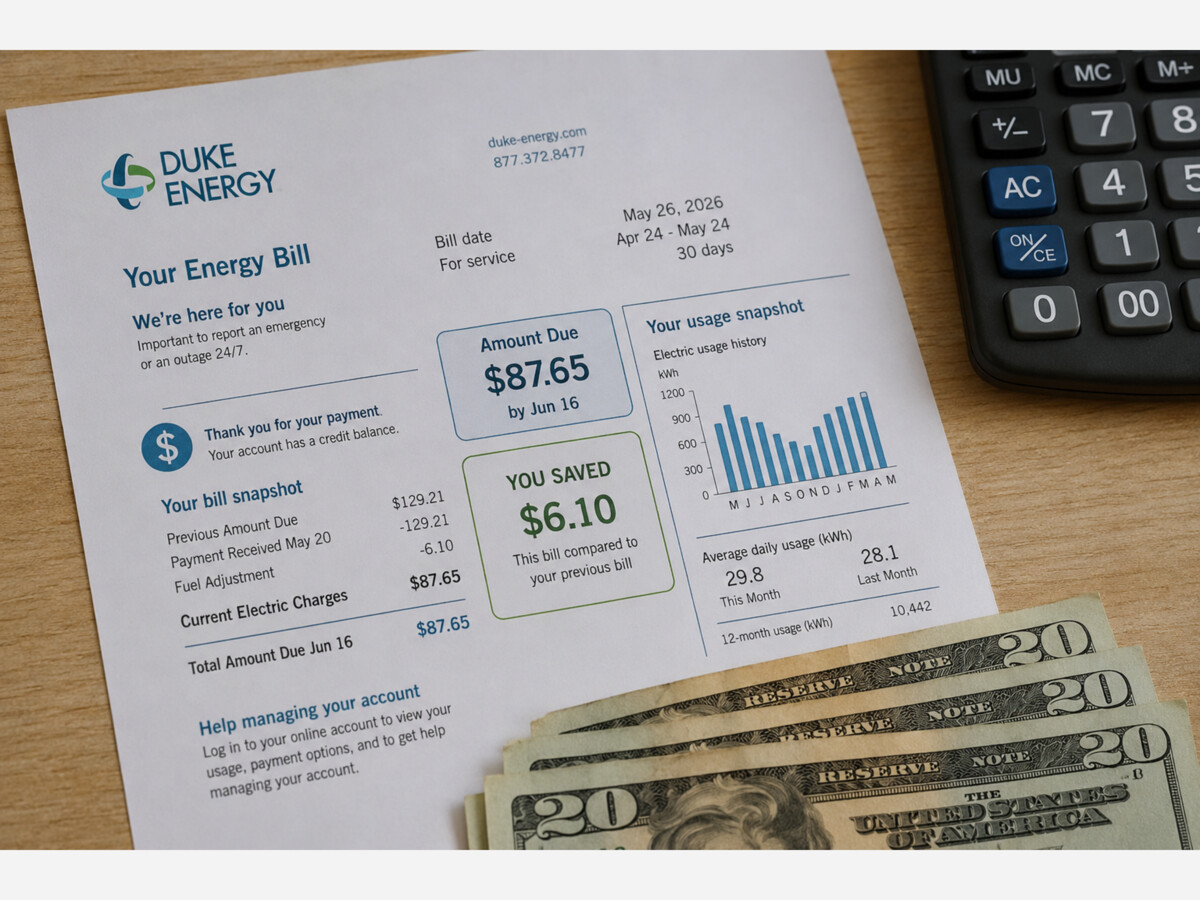
Duke Energy Florida customers are getting a small break on their electric bills this summer, but the reduction looks less like corporate generosity and more like a required correction.
Beginning with the June 2026 billing cycle, Duke says a typical residential customer using 1,000 kilowatt-hours will see about a $6 monthly decrease compared with March through May. The reduction is scheduled to last only through September.
The immediate reason is a storm-cost true-up. Duke had collected roughly $1 billion from customers for recovery tied to Hurricanes Debby, Helene and Milton, but later reported actual storm restoration costs of about $915 million. That left an overcollection of about $90.5 million, which the Florida Public Service Commission approved returning to customers through lower fuel rates.
Duke is presenting the move as its third rate reduction of 2026. Earlier reductions included the removal of a storm recovery charge and a seasonal adjustment that lowered bills in March. Altogether, Duke says a typical 1,000-kWh residential bill is down about $50 from January levels.
But the word “temporary” matters. The latest storm-related reduction runs only from June through September. It is not a permanent rate cut, and it is not a refund check arriving in the mail. Customers will see the benefit through lower monthly bills.
The timing is also politically interesting. Duke operates as the electric monopoly for many customers in its Florida service territory, including parts of the Tampa Bay region. That monopoly status is now facing renewed public scrutiny in St. Petersburg, where city officials have been considering a feasibility study on whether the city could eventually replace Duke with a municipal electric utility.
Similar conversations have surfaced in Clearwater, where public-power advocates argue that local control could mean lower bills, more accountability, and less dependence on a private utility whose customers generally cannot shop around for a competing electric provider.
So what was the catalyst?
Officially, the catalyst was the storm-cost true-up and approval by state regulators. Practically, the broader backdrop is growing public frustration over high electric bills, hurricane recovery charges, and renewed interest in whether communities should remain locked into the private utility monopoly model.
For customers, the takeaway is simple: enjoy the lower bill while it lasts, but do not mistake it for a long-term solution. This summer’s reduction appears to be less about Duke voluntarily cutting prices and more about returning money that had been collected for storm costs that ultimately came in lower than expected.
In Florida’s overheated household budget, even a temporary break helps. But the larger debate over utility costs, storm charges, public oversight, and local control is far from over.
Tidings Media offers local curated news for Tampa, Tallahassee, Miami, Jacksonville, Orlando, Port St. Lucie, Fort Lauderdale, Cape Coral, Hialeah, Hollywood, Pembroke Pines, and Zephyrhills.
Subscribe free at tidings.town.news for local headlines, weather alerts, civic updates, practical Florida news, and community stories without the clutter.



Light rain shower, with a high of 89 and low of 74 degrees. Overcast in the morning, light rain shower in the afternoon, overcast overnight.