72° and Clear
Image
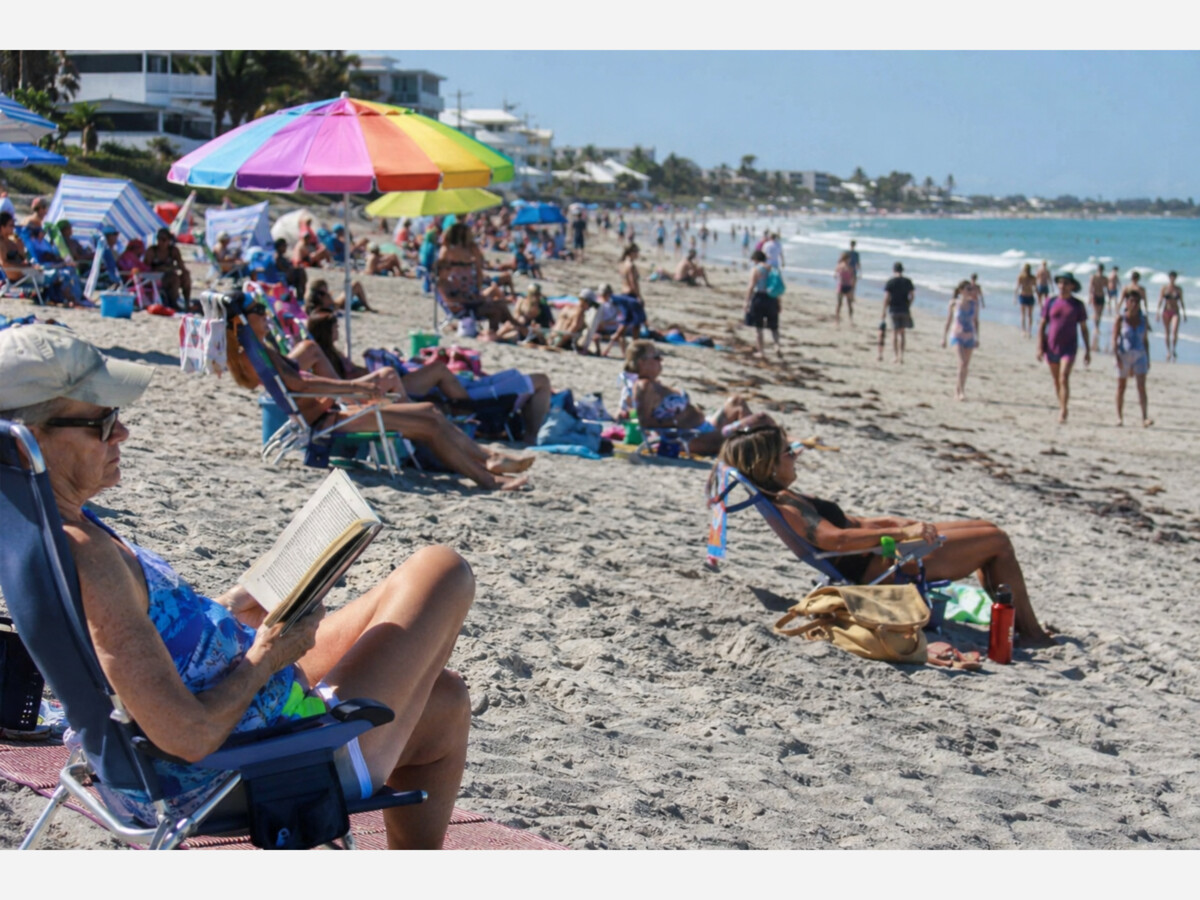



Florida’s statewide tourism machine is still enormous, but the warning signs are starting to show up where they matter most: hotel rooms, restaurant tables, seasonal rentals, beach towns and small businesses along the Gulf Coast.
The concern is not coming from one number. It is coming from several.
Canadian travel to Florida remains well below pre-pandemic levels. Sarasota County opened 2026 with fewer visitors, weaker lodging occupancy and lower direct visitor spending than a year earlier. Florida’s total first-quarter visitor count fell from the same period in 2025. And in local tourism markets from Tampa Bay to Sarasota, Fort Myers and Naples, business owners are watching to see whether repeat visitors are starting to pull back.
A recent travel industry report flagged Naples as joining Tampa Bay, Sarasota and Fort Myers among Florida Gulf Coast destinations watching signs of softer international travel, particularly from Canada and Europe.[1] That concern tracks with official state and local data.
The clearest warning sign is Canada.
Canadians have long been among Florida’s most important international visitors. They come for winter season, rent condos, fill restaurants, shop locally, visit beaches and return year after year. When Canadian travel weakens, the impact is not evenly distributed across Florida. It is felt most directly in communities built around seasonal visitors and repeat international travel.
VISIT FLORIDA estimated 1.05 million Canadian visitors in the first quarter of 2026, down from the revised 1.2 million Canadian visitors reported for the first quarter of 2025.[2] For the full year 2025, Florida’s revised Canadian visitation was 3.17 million, still far below the 4.08 million Canadians who visited in 2019 before the pandemic.[3]
That is a major gap for communities that count on Canadians during the highest-value months of the year.
Sarasota County’s January data showed what the slowdown can look like locally. Visit Sarasota County reported 68,900 visitors in January 2026, down from 78,900 in January 2025. Direct visitor spending fell from $144.5 million to $132.1 million. Lodging occupancy dropped from 69.4% to 61.4%, and room nights sold fell from 283,900 to 256,400.[4]
Those are the numbers that matter to a hotel manager deciding whether to staff another shift, a restaurant owner trying to fill weeknights, or a vacation rental owner watching bookings come in slower than expected.
The Sarasota trend is not limited to one month. Visit Sarasota County reported 2,710,700 visitors in fiscal year 2025, a decline of 183,400 visitors, or 6.3%, from the prior year.[5] Local reporting also showed Sarasota County visitor totals falling from 3.07 million in fiscal year 2023 to 2.89 million in 2024 and 2.71 million in 2025, with spending falling from $2.6 billion in 2023 to $2.37 billion in 2025.[6]
That is not a collapse. It is a local tourism market giving back ground after the post-pandemic travel surge.
Statewide numbers also moved in the wrong direction to start 2026. VISIT FLORIDA estimated 39.88 million visitors from January through March, down 1% from the first quarter of 2025. Domestic visitation totaled 36.5 million, and non-air domestic visitation fell 3.4% from a year earlier.[7]
The non-air number matters for Gulf Coast communities. Not every visitor arrives through a major airport. Florida’s beaches and coastal towns depend heavily on drive-in travelers, snowbirds, regional visitors and people who fly into one market before driving to another. A decline in that category can show up quickly in restaurants, hotels, attractions and short-term rentals.
Pinellas County shows how mixed the picture can be. The county has reported strong tourist development tax collections in early 2026, including a record February collection of $10.8 million.[8] But strong tax collections do not erase the broader warning signs across the region. Higher room rates can lift tax revenue even when occupancy softens. A few strong months can also mask weakness in other parts of the year.
That is how a tourism slowdown often begins. It does not arrive evenly across every city and every category. It shows up in pockets. A slower month here. A weaker rental season there. Fewer Canadian plates in beach parking lots. A restaurant that used to be full on Tuesdays but now needs a discount. A hotel that raises rates but fills fewer rooms. A seasonal business that feels the difference before a statewide report confirms it.
The national travel climate is adding pressure. Reuters reported that foreign travel to the United States declined 5.4% in 2025, driven largely by a 22% drop in Canadian visitors. Travel industry sources cited political tensions, tariff disputes, immigration and border concerns, and travelers choosing alternatives outside the United States.[9]
That matters for Florida because the state is not just competing with Georgia, Texas or California. It is competing with Mexico, the Caribbean, Europe, cruise lines and international Disney destinations. Some travelers who once treated Florida as the default winter trip now have other options, and some are taking them.
For local governments, the risk is larger than hotel occupancy. Tourist development taxes help fund beach renourishment, sports facilities, destination marketing and tourism-related infrastructure. Visitor spending supports restaurants, retail stores, transportation, attractions, cleaners, property managers, event workers and local tax collections.
When tourism softens, the first people to feel it are not usually state officials. They are servers, hotel workers, small business owners, short-term rental operators, charter captains, housekeepers and local vendors whose income depends on seasonal demand.
That is why the Gulf Coast warning signs deserve attention now.
Florida can still draw tens of millions of visitors and still have local markets under pressure. Orlando can have a different tourism story than Sarasota. Miami can have a different story than Fort Myers. Pinellas can post strong bed-tax collections while other Gulf Coast communities see weaker visitor counts or lodging demand.
Tourism is not one statewide experience. It is local.
For Tampa Bay, Sarasota, Fort Myers and Naples, the question is whether this is a short-term adjustment or the beginning of a longer shift in visitor behavior. If Canadian and international travelers continue to pull back, the Gulf Coast will feel it first in the places where tourism is not a talking point. It is the business model.
The warning signs are already visible.
The next question is whether Florida’s tourism leaders, local governments and business communities treat them as early signals — or wait until the slowdown is impossible to explain away.
[1] Travel and Tour World, “Naples Joins Tampa Bay, Sarasota, and Fort Myers as Florida Tourism Faces Major Decline Amid Sharp Drop in International Visitors from Canada and Europe,” June 2026.
[2] VISIT FLORIDA, “Governor Ron DeSantis Announces Record-Breaking Domestic and Overseas Tourism for First Quarter of 2026,” May 22, 2026.
[3] Orlando Weekly, “Florida tourism dropped in first quarter of 2026,” May 26, 2026, citing VISIT FLORIDA’s revised Canadian visitor estimates.
[4] WWSB / ABC7 Sarasota, “Sarasota County sees 12% drop in visitors in January, data show,” March 6, 2026, citing Visit Sarasota County tourism data.
[5] Visit Sarasota County, “Sarasota County Loves Tourists,” fiscal year 2025 tourism statistics.
[6] Your Observer, “Tourism outlook expects visitors leveling off in 2026,” Dec. 18, 2025, citing Visit Sarasota County data.
[7] VISIT FLORIDA, “Governor Ron DeSantis Announces Record-Breaking Domestic and Overseas Tourism for First Quarter of 2026,” May 22, 2026.
[8] Tampa Bay Business & Wealth, “Pinellas hotel tax hits record as county directs $85M in bed tax funds toward Phillies facility,” April 22, 2026.
[9] Reuters, “Looking for Disney magic elsewhere: Canadians lead declines in travel to US,” Feb. 12, 2026.



Sunny, with a high of 83 and low of 68 degrees. Sunny in the morning, clear during the afternoon and evening,